Geo
University project
MAID X BATCHWORKS
©2025
"geo" is not a direct word but is derived from the Greek root "γῆ" (gê), which means "earth" or "ground.
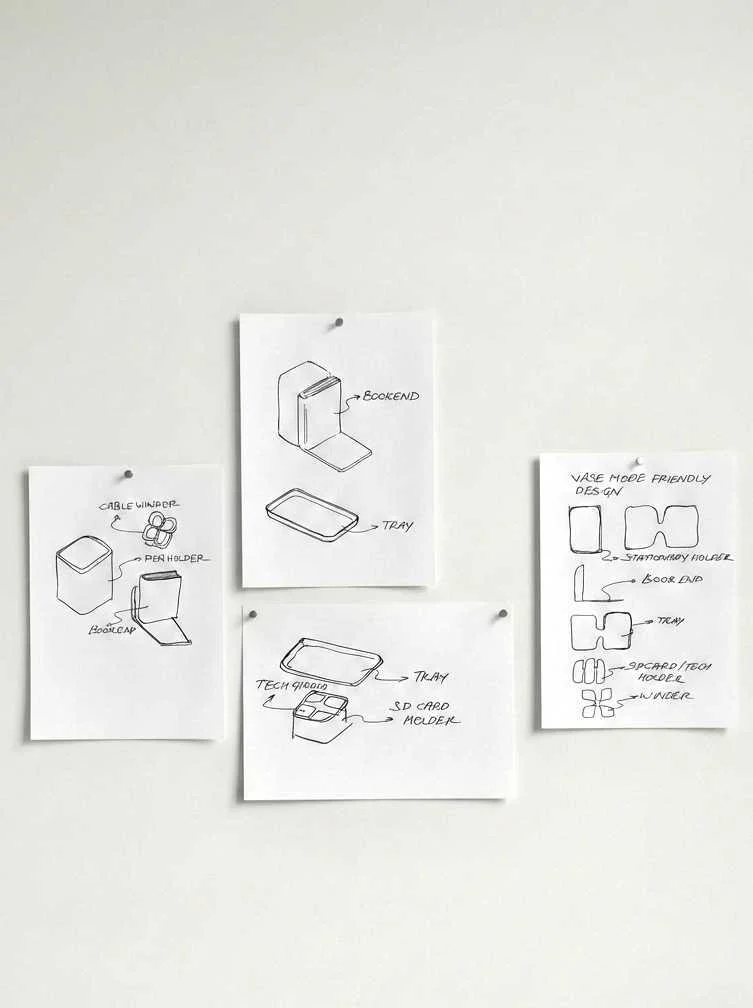
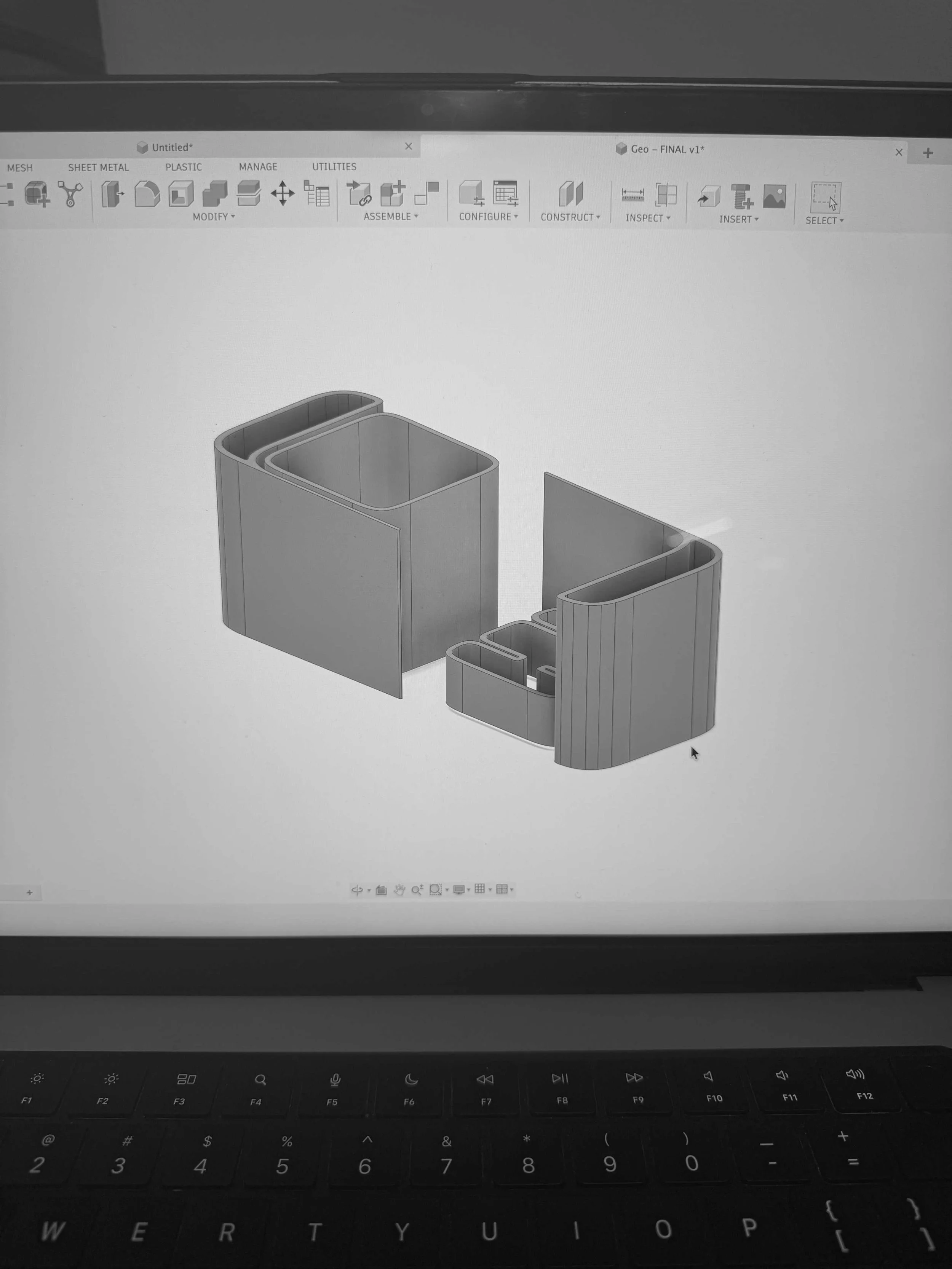
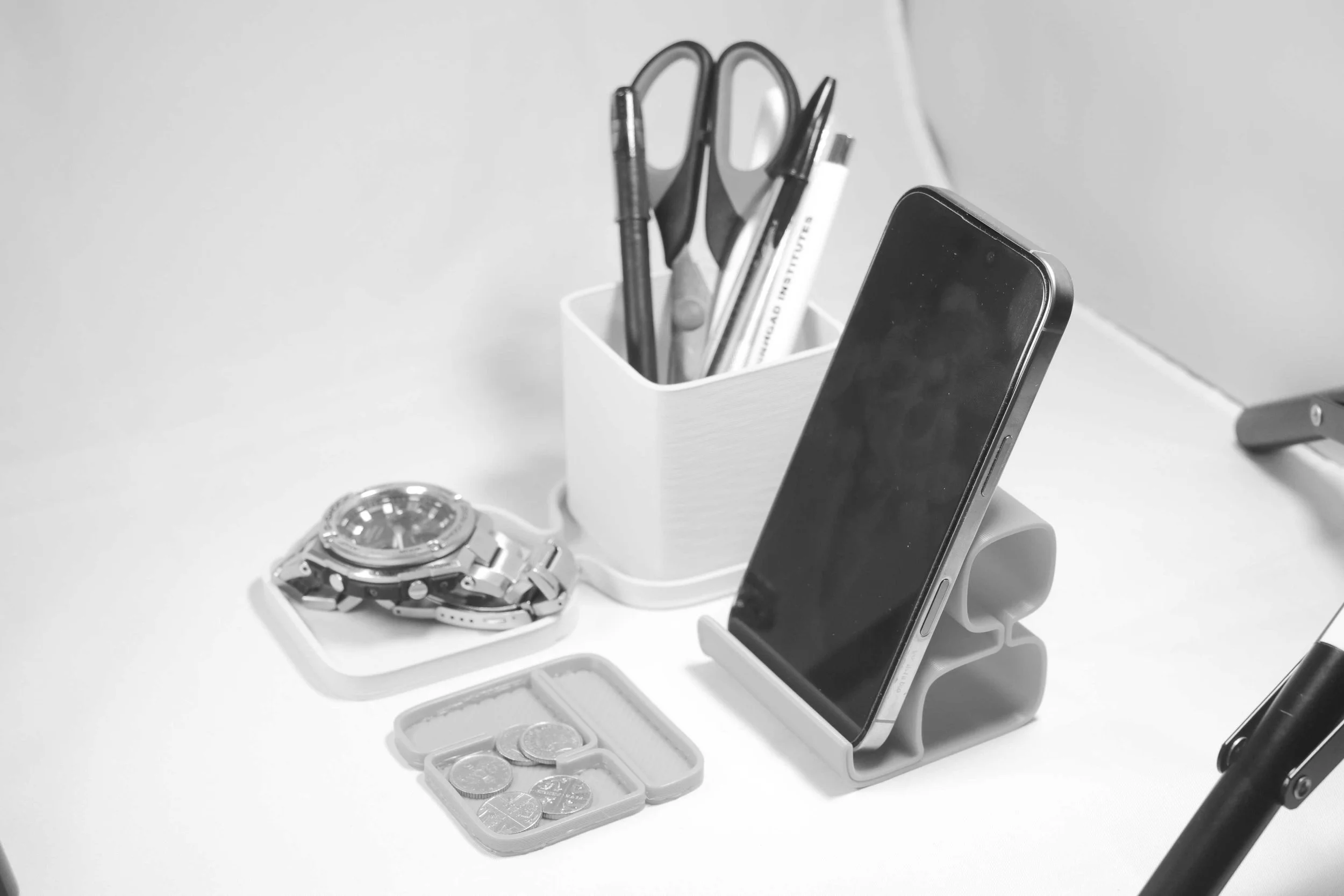
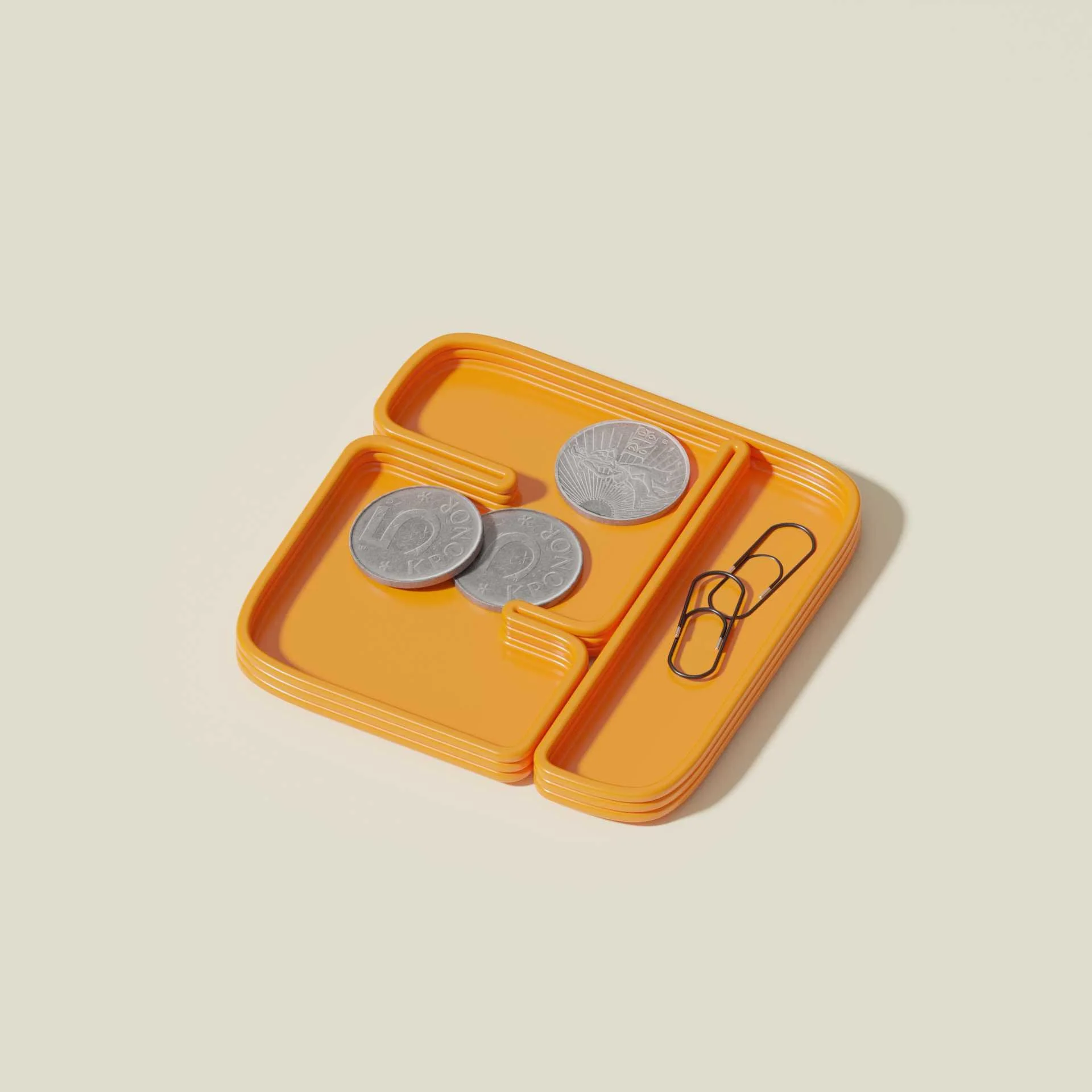
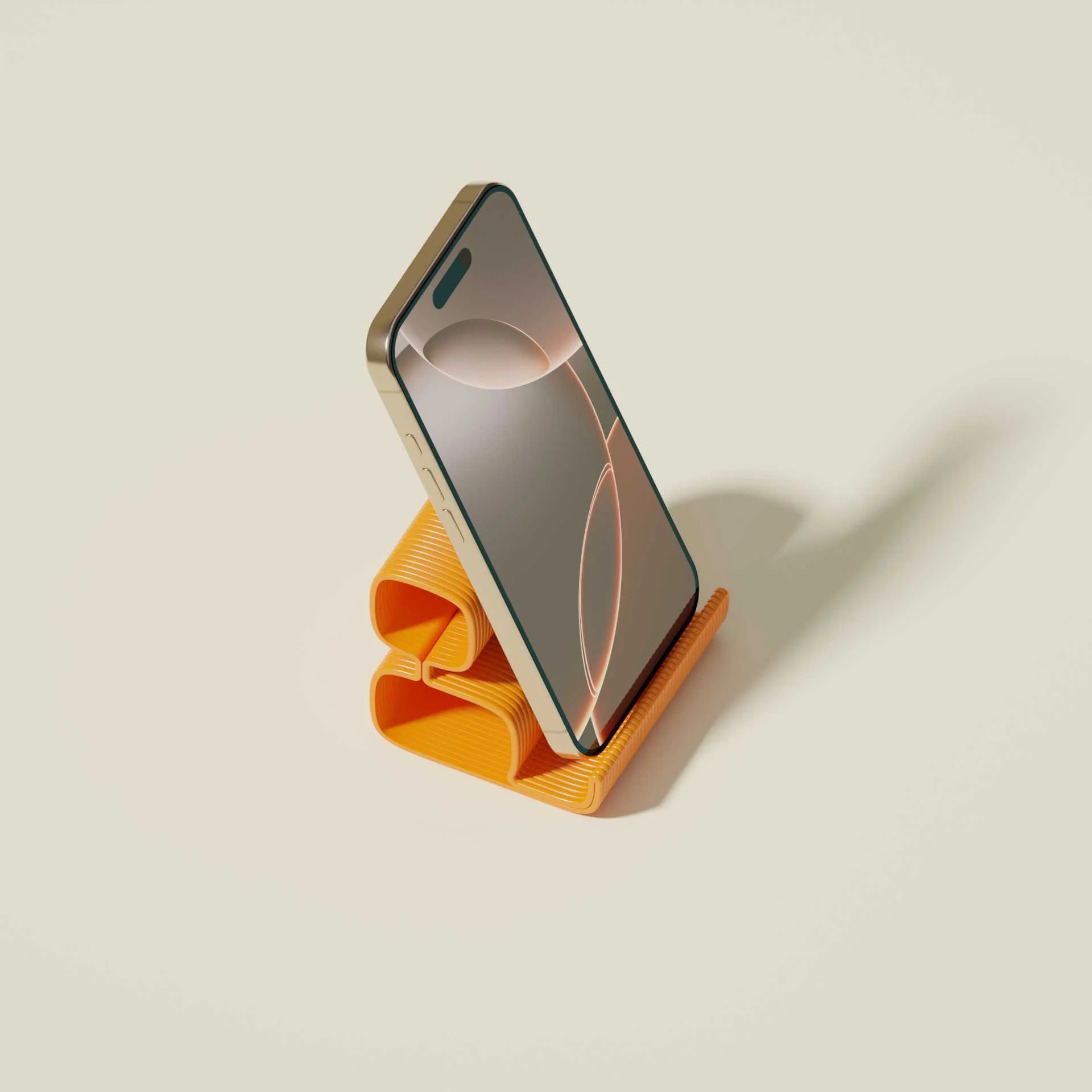
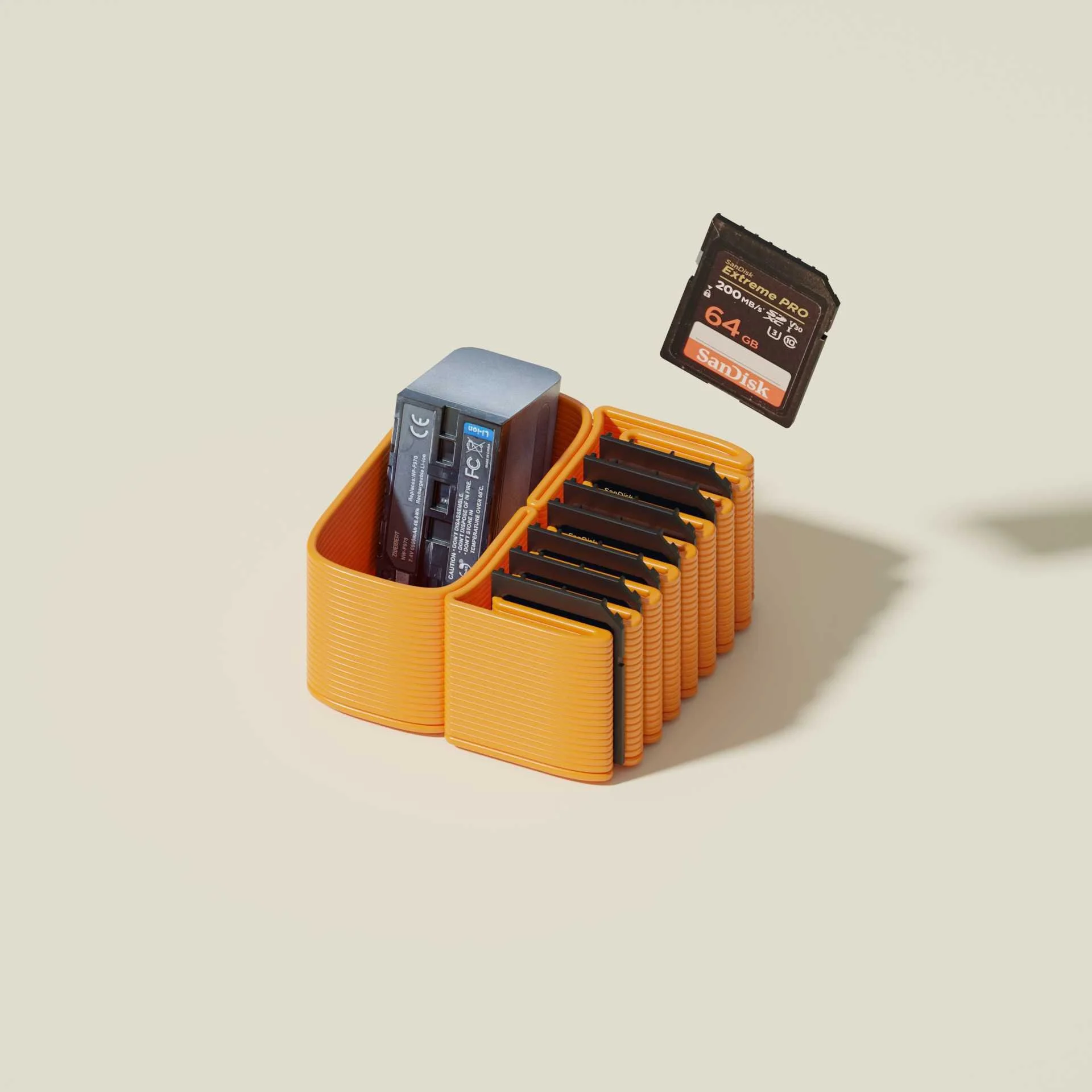
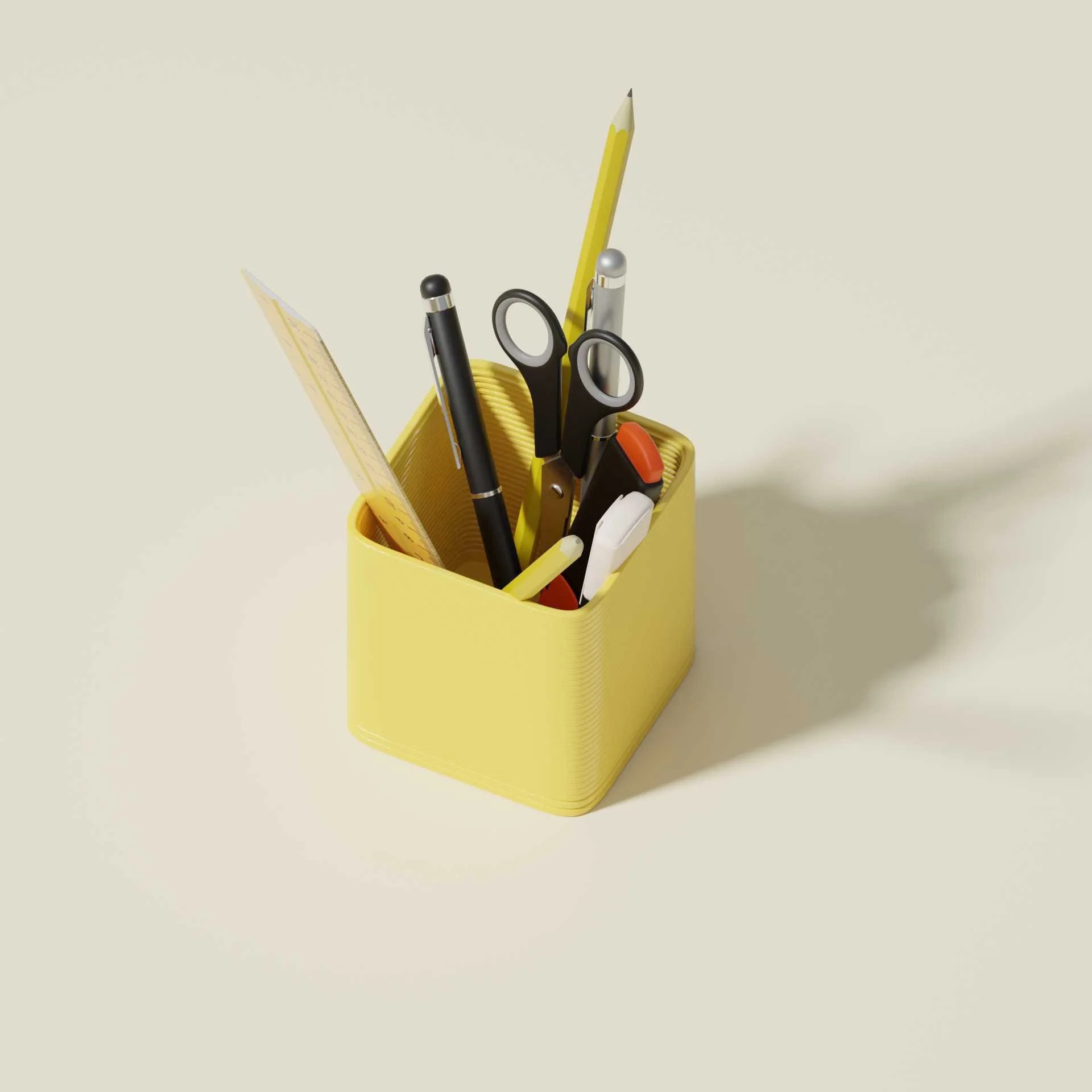
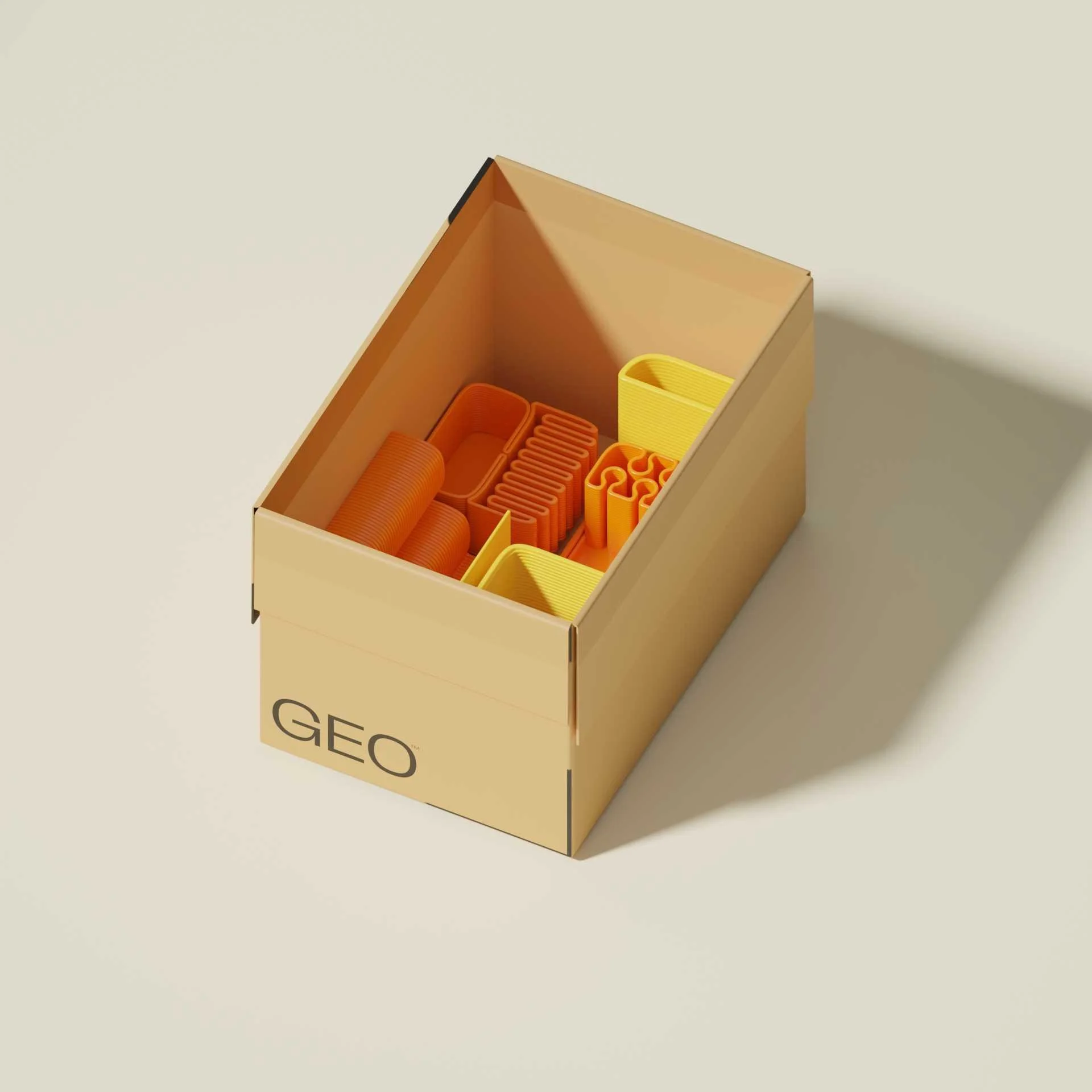
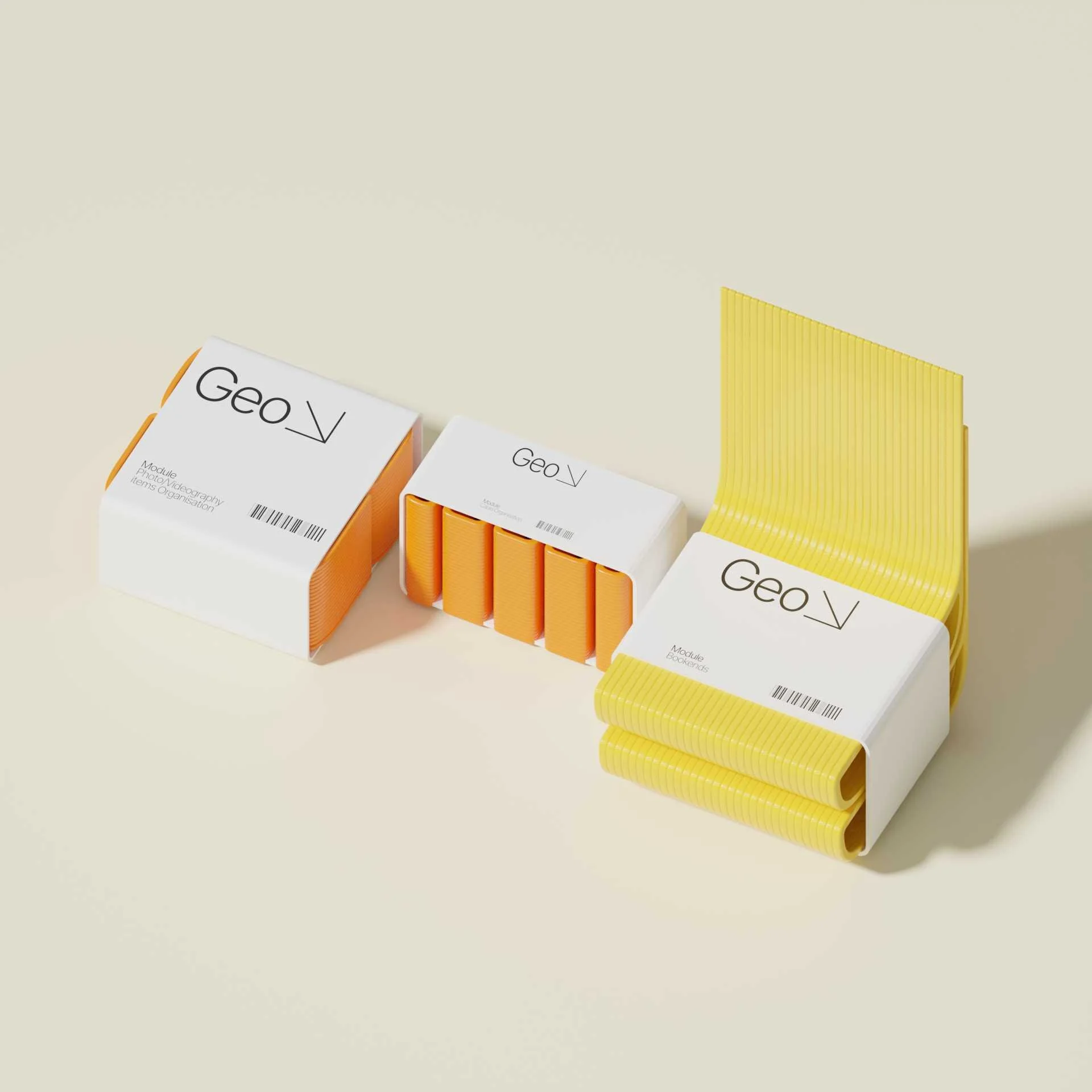
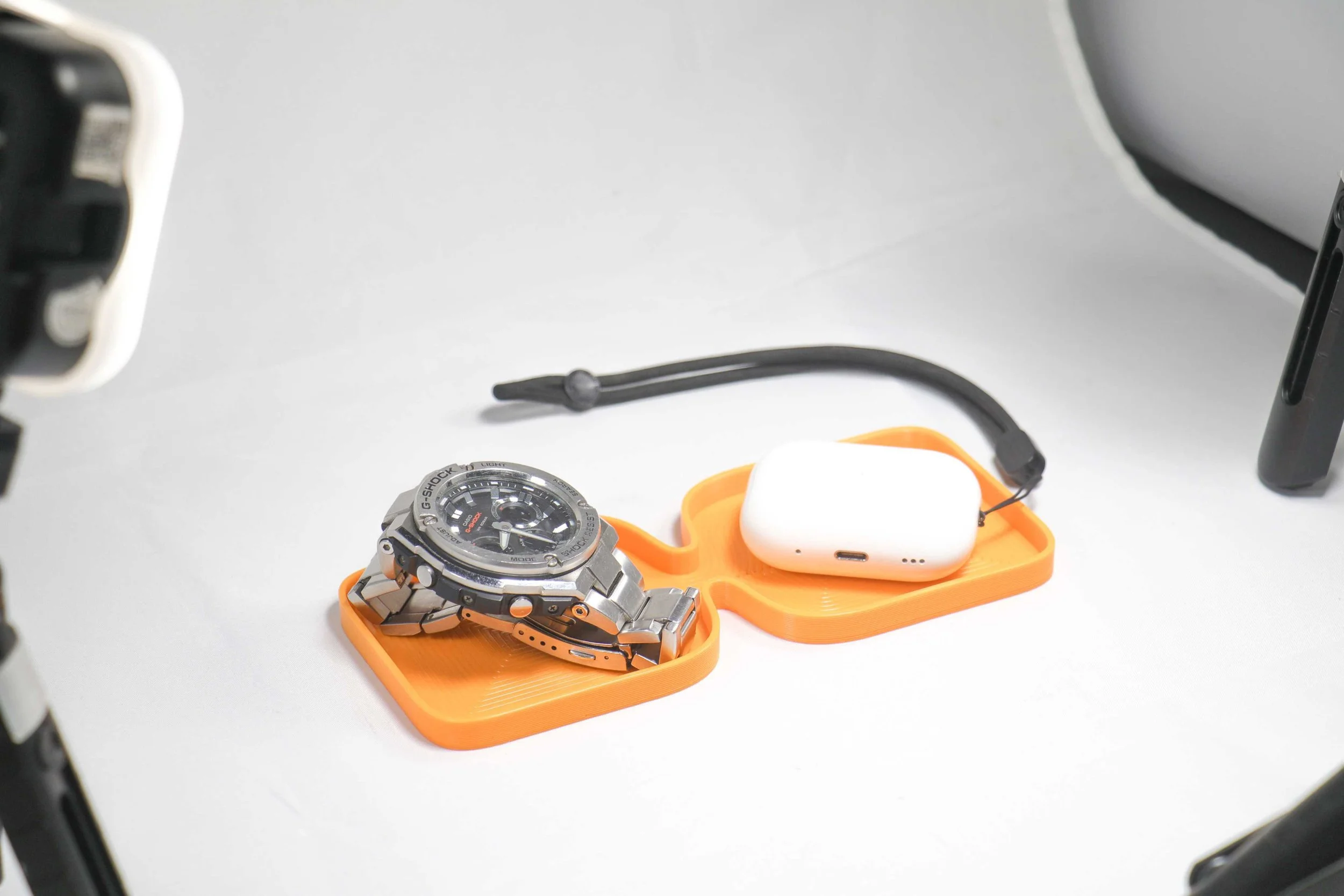
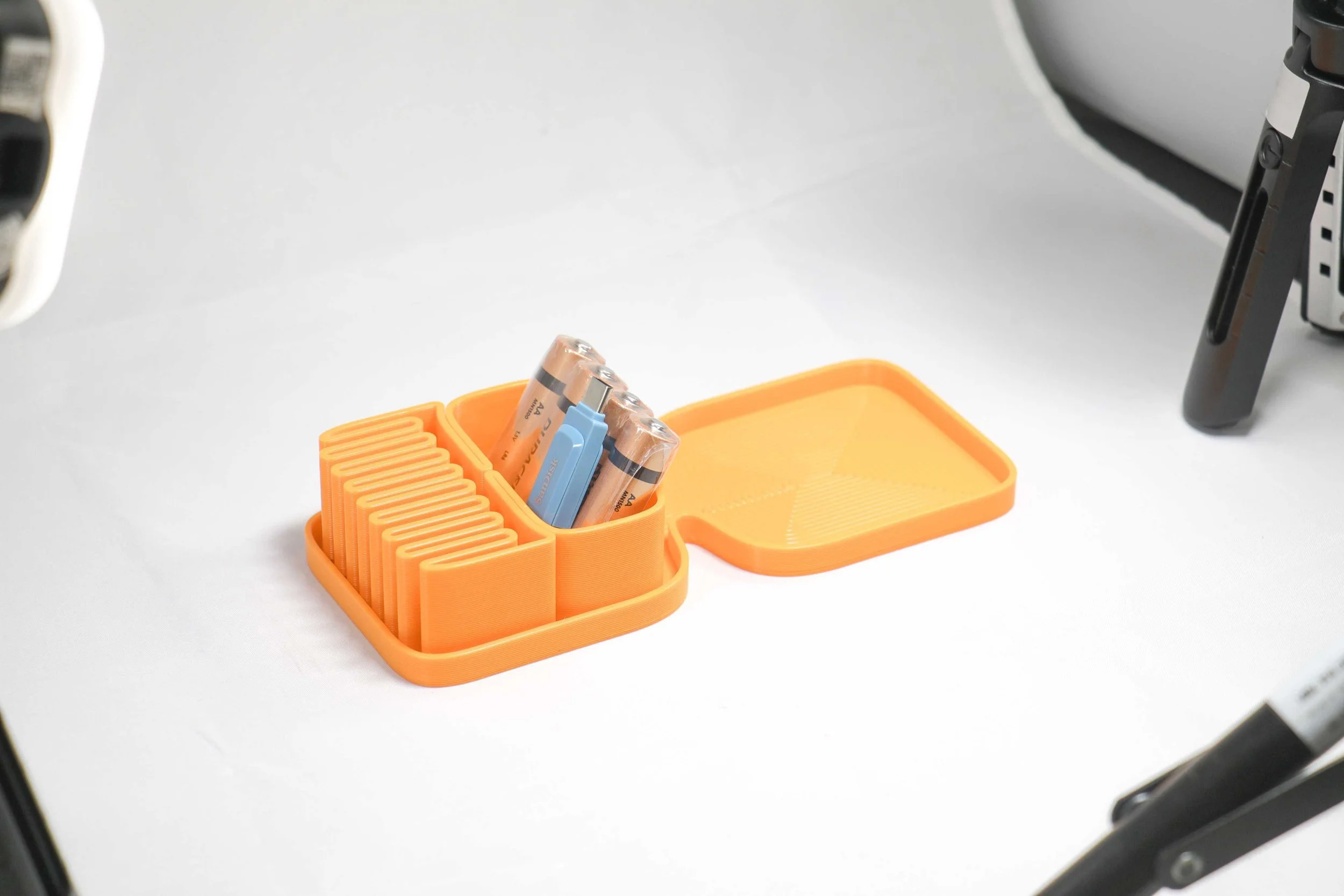
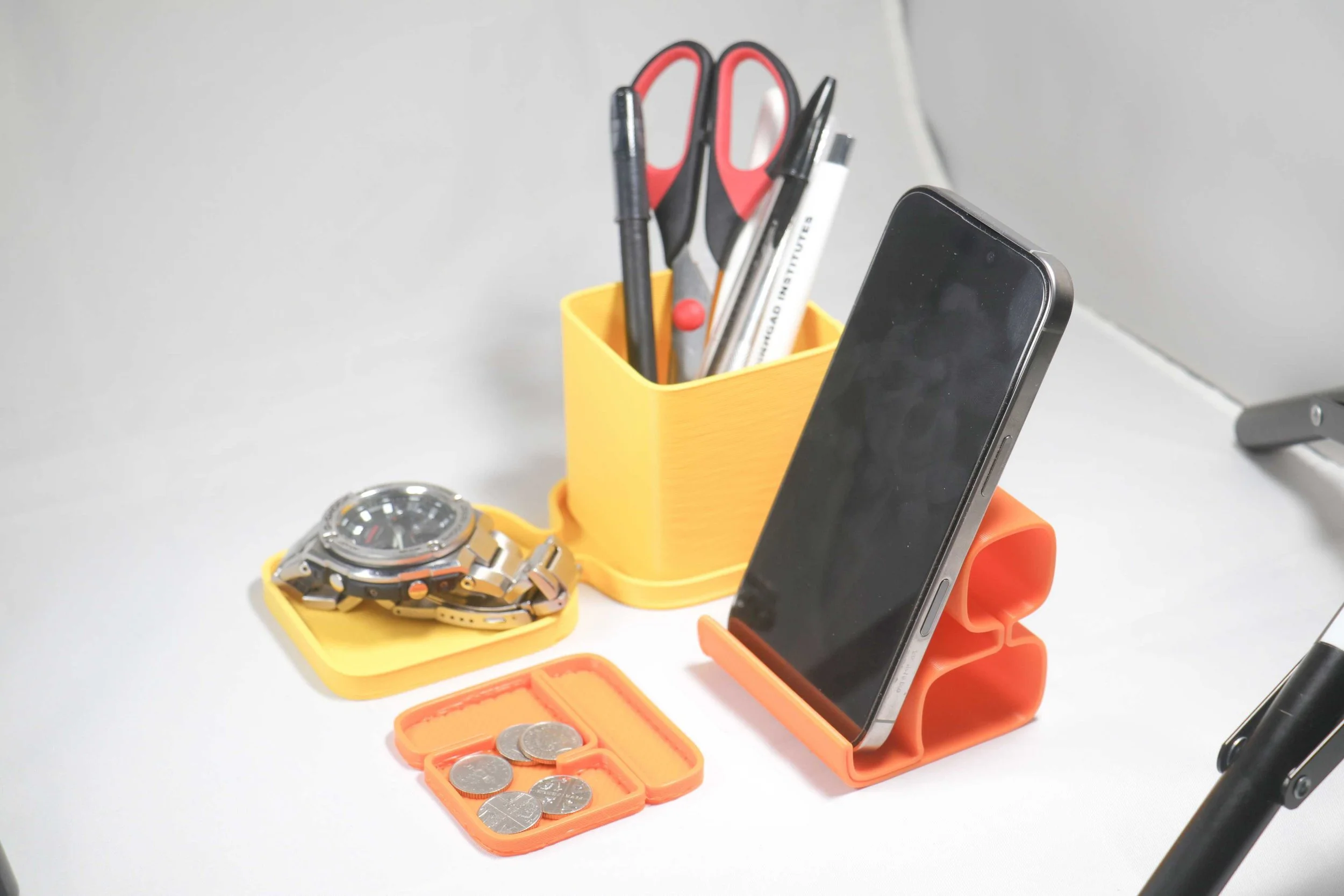
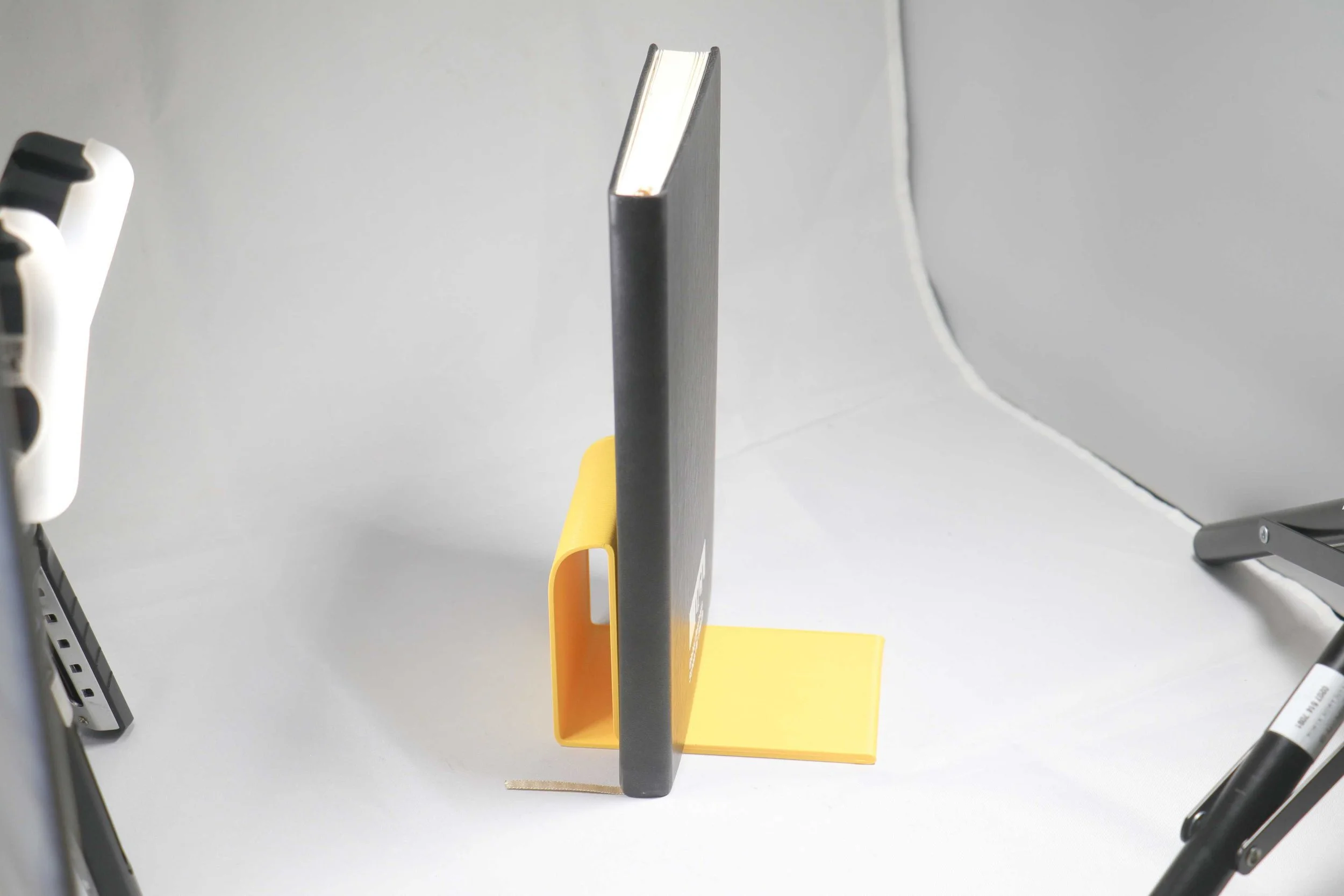
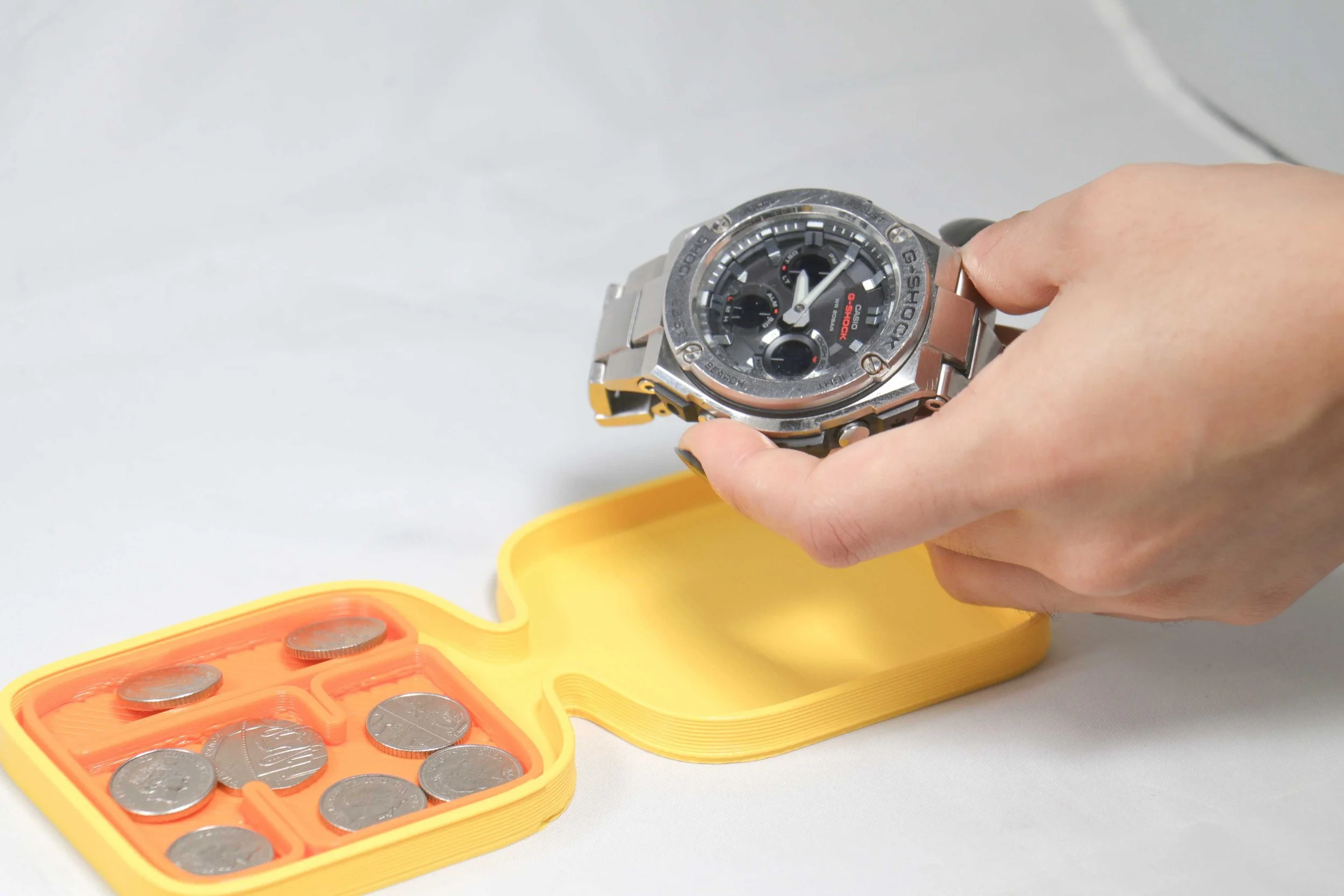
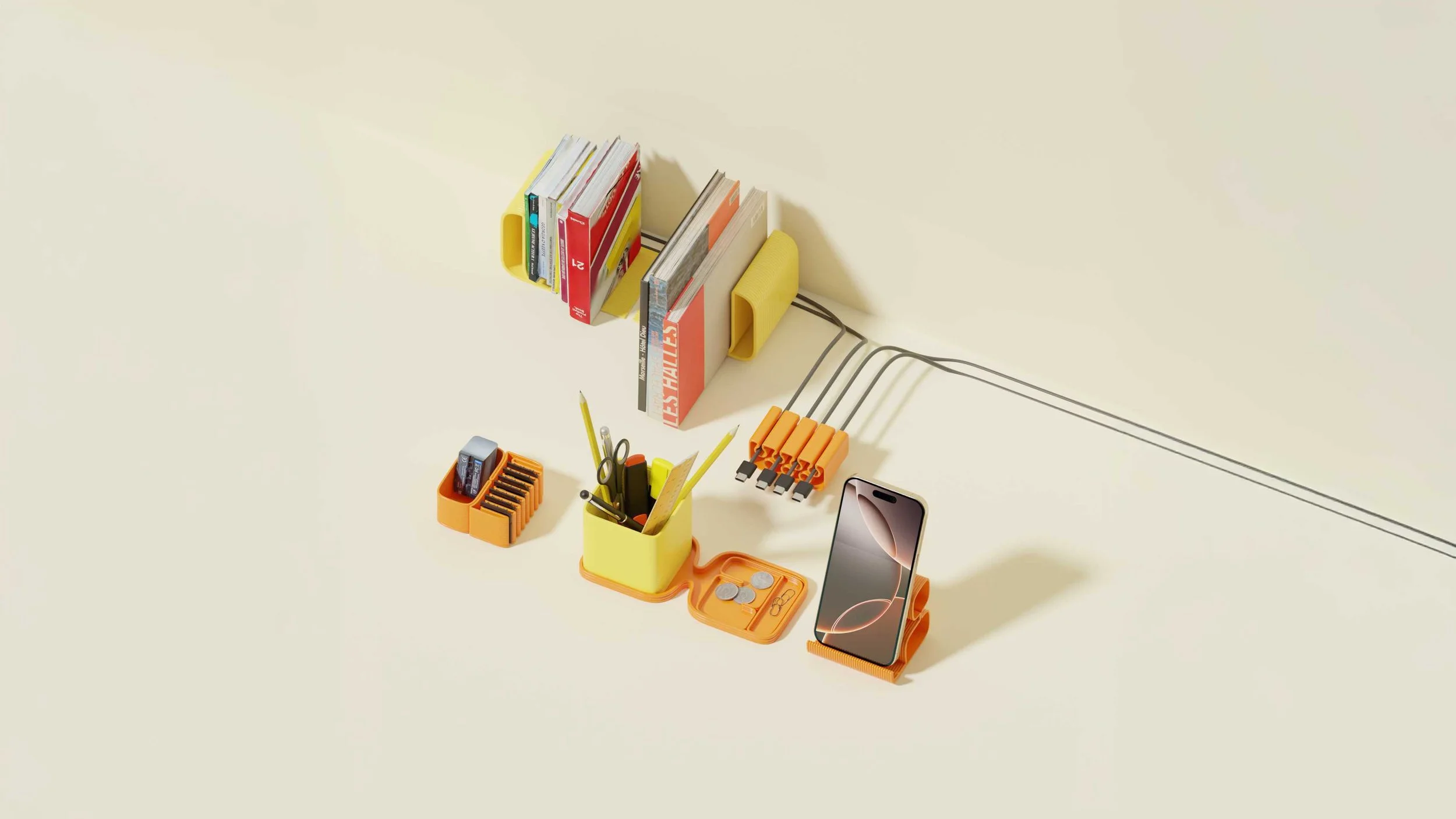
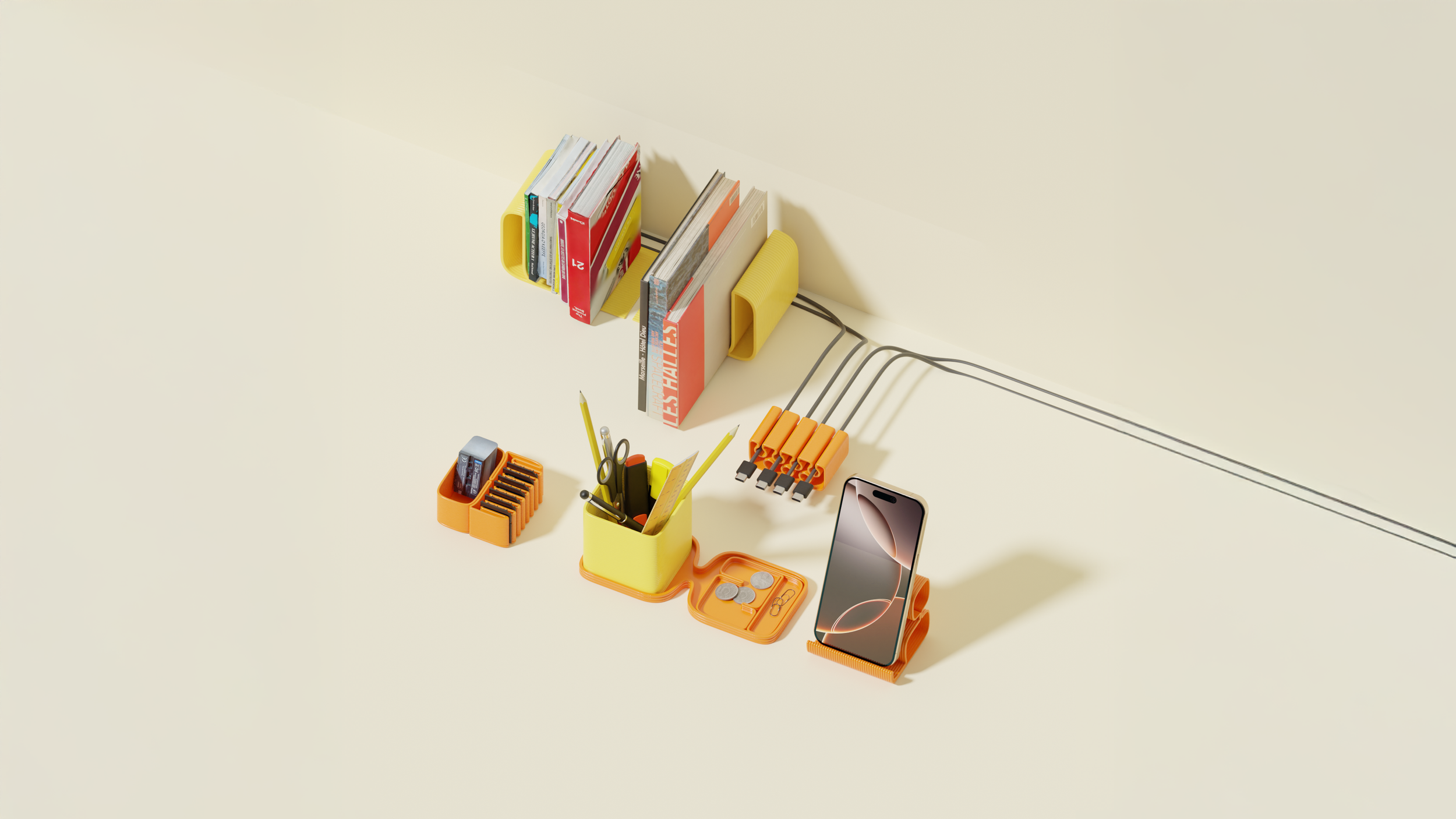
Geo is a range of utilitarian desk accessories implementing cost effective manufacturing methods using recycled materials creating a Circular Design Approach.
Research
-
180 Million tonnes of plastic waste in India alone. Plastic dumping in the ocean has threatened ocean life more than ever. 67% of employees experience burnout, primarily due to overworking. Plastic deposits have been degrading the quality of soil and reducing it’s fertility. Plastic ingestion by animals and Marine life caused threat by causing harmful effects like starvation, injury, and poisoning.
-
People need to reduce using unnecessary single-use and problematic plastics. Plastic can be up-cycled and reused in many ways. Recycling of plastics is very crucial. Circularity being an efficient option needs to be implemented to organising the use of thermoplastics.
-
The Problem in One look
“Student Move-In ≠ Sustainable”
onboarding freebies → short-lived plastic
Most ends up in landfill within weeks -
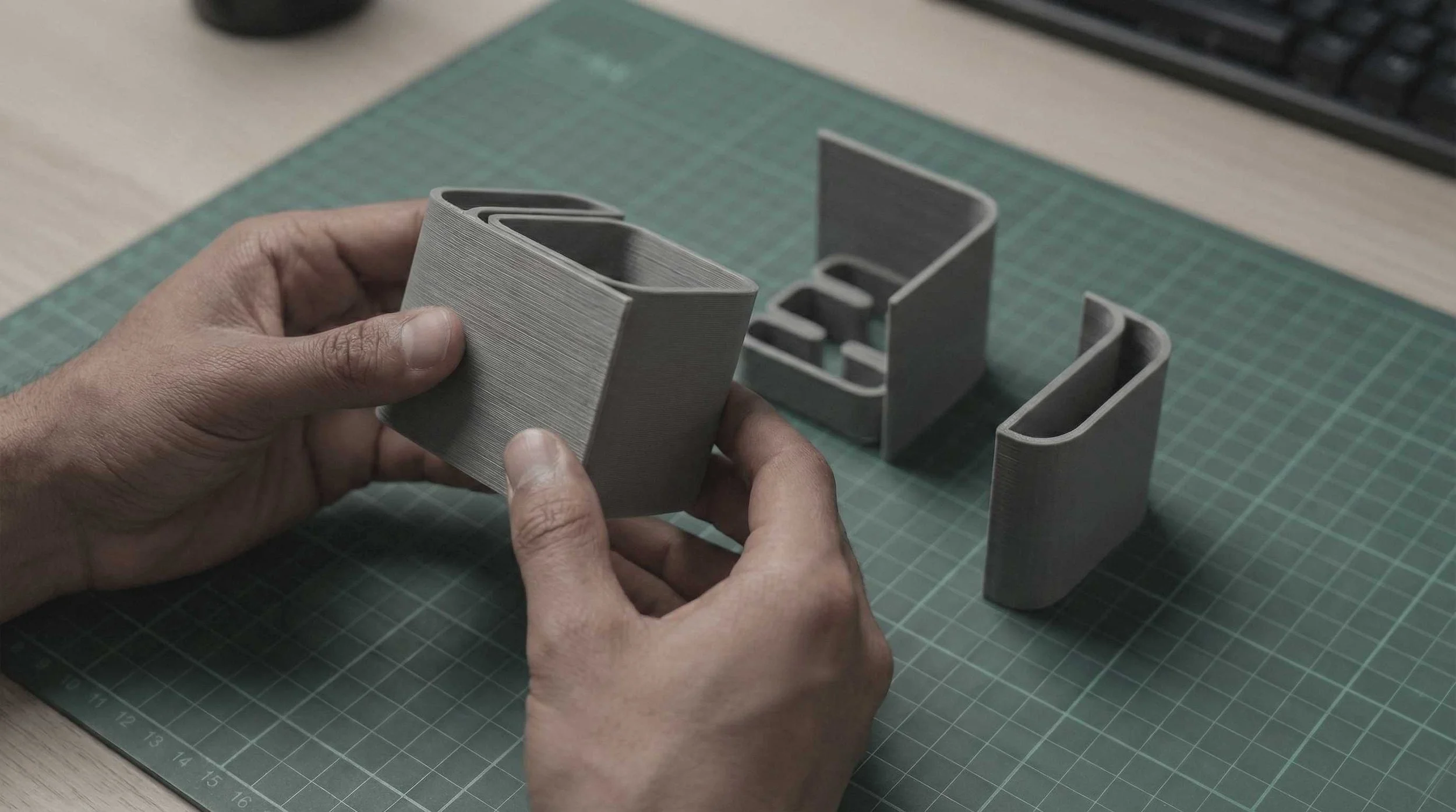
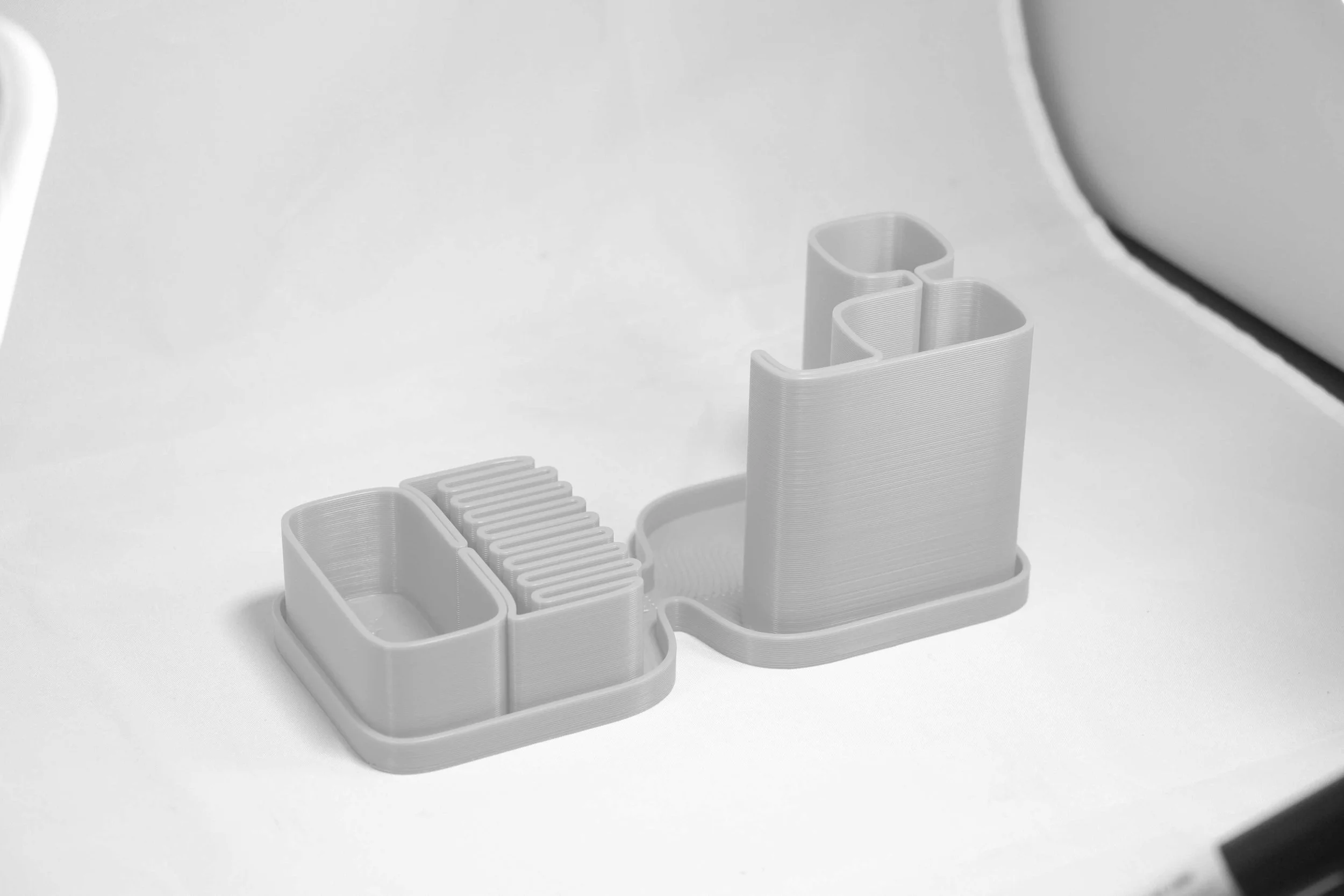
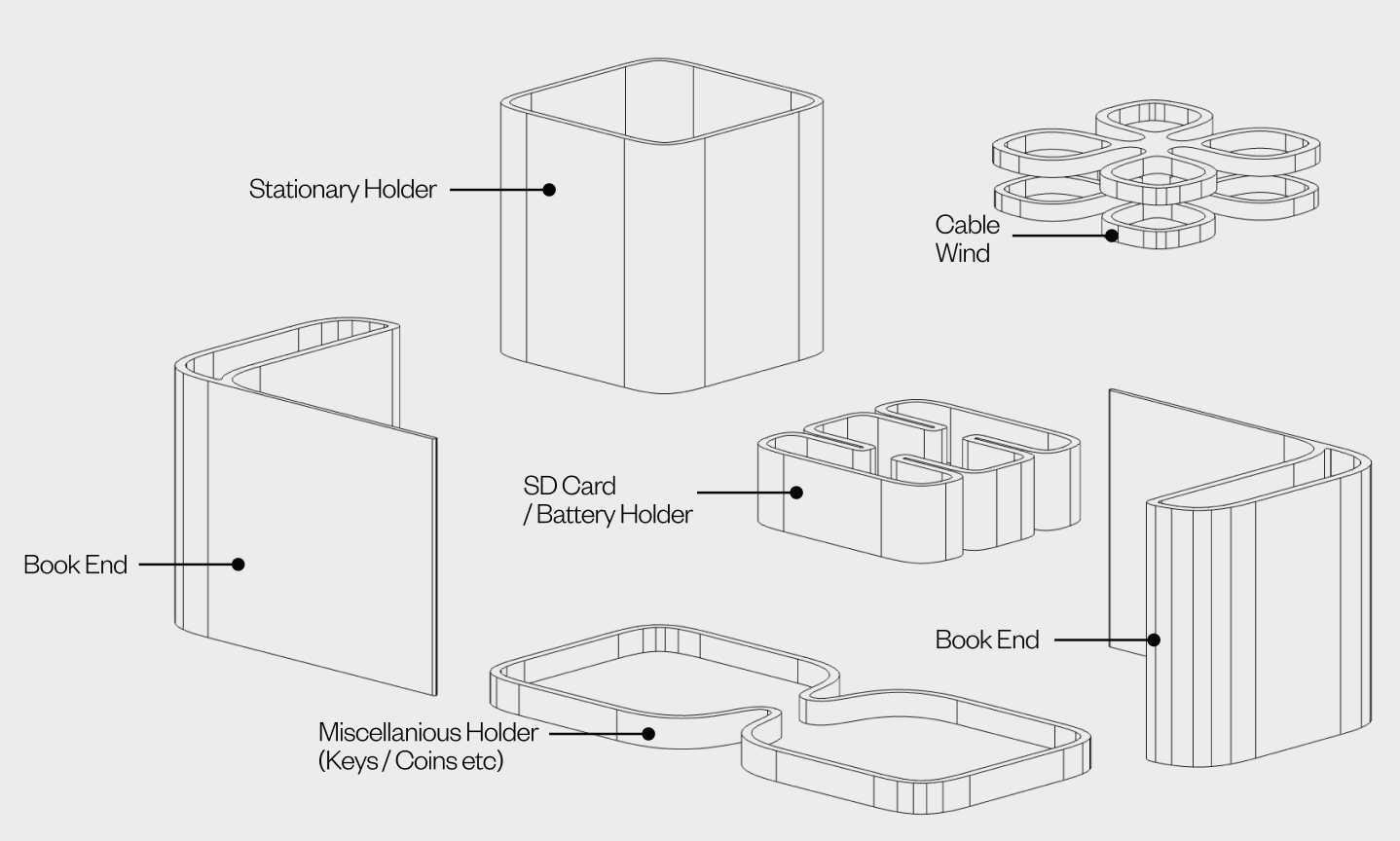
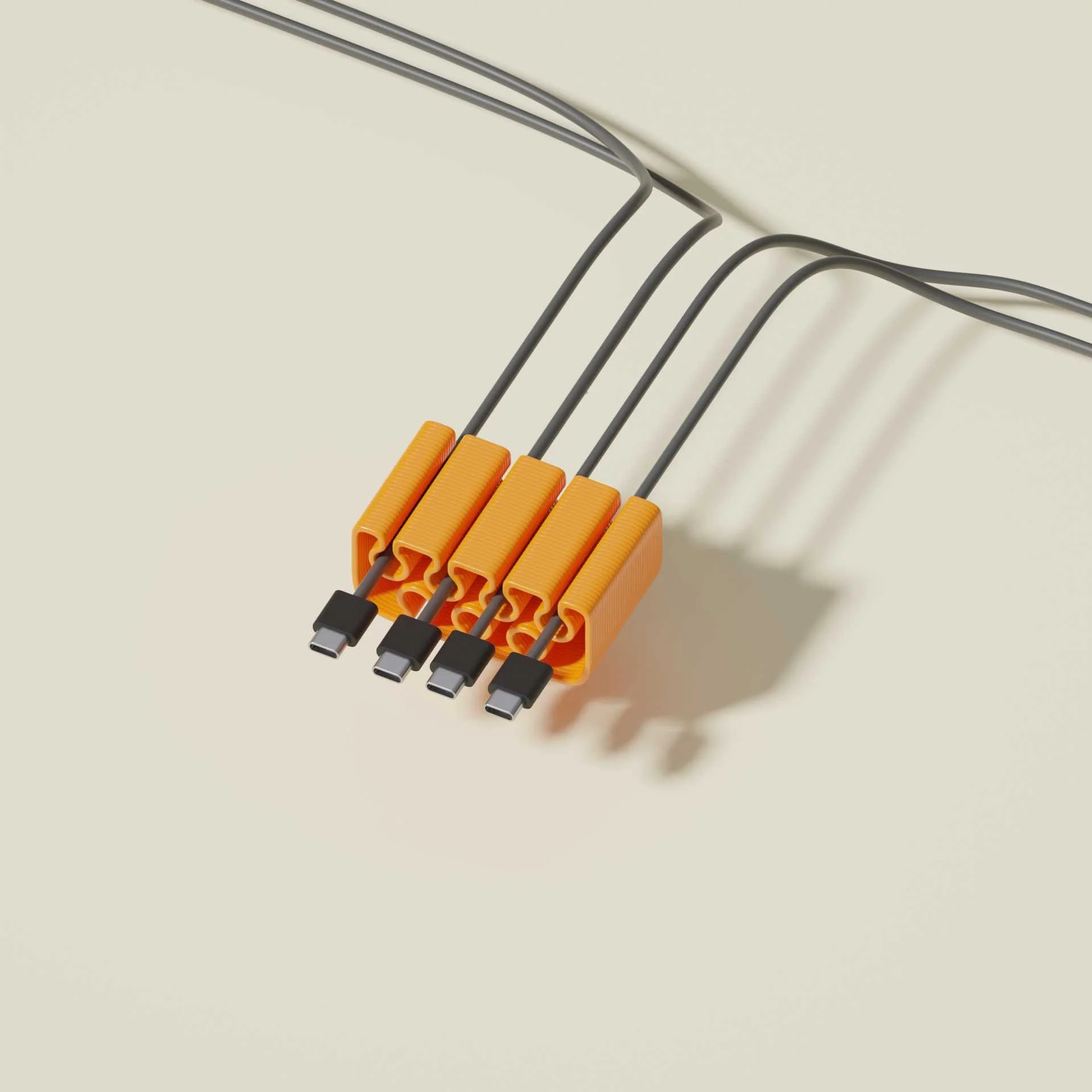
Geo could be modular, 3D-printed essentials kit designed for students moving into Purpose-Built Student Accommodation. It replaces the generic, disposable onboarding packs typically handed out on move-in day. Every Geo kit could begin as a compact, flat-packed unit containing a universal Main Base and a set of modular clip-in tools that help students organise their daily life; from managing cables and stationery to storing small personal objects.
Building a Closed loop to regulate plastic waste
-
The foundational stage where the strategy is set. This involves coordinating with student accommodation providers to define the scale of the welcome packs and the logistics of the closed-loop system.
-
Collecting existing PLA waste (either from previous welcome packs or external sources). This is the "input" that prevents the need for virgin plastics.
-
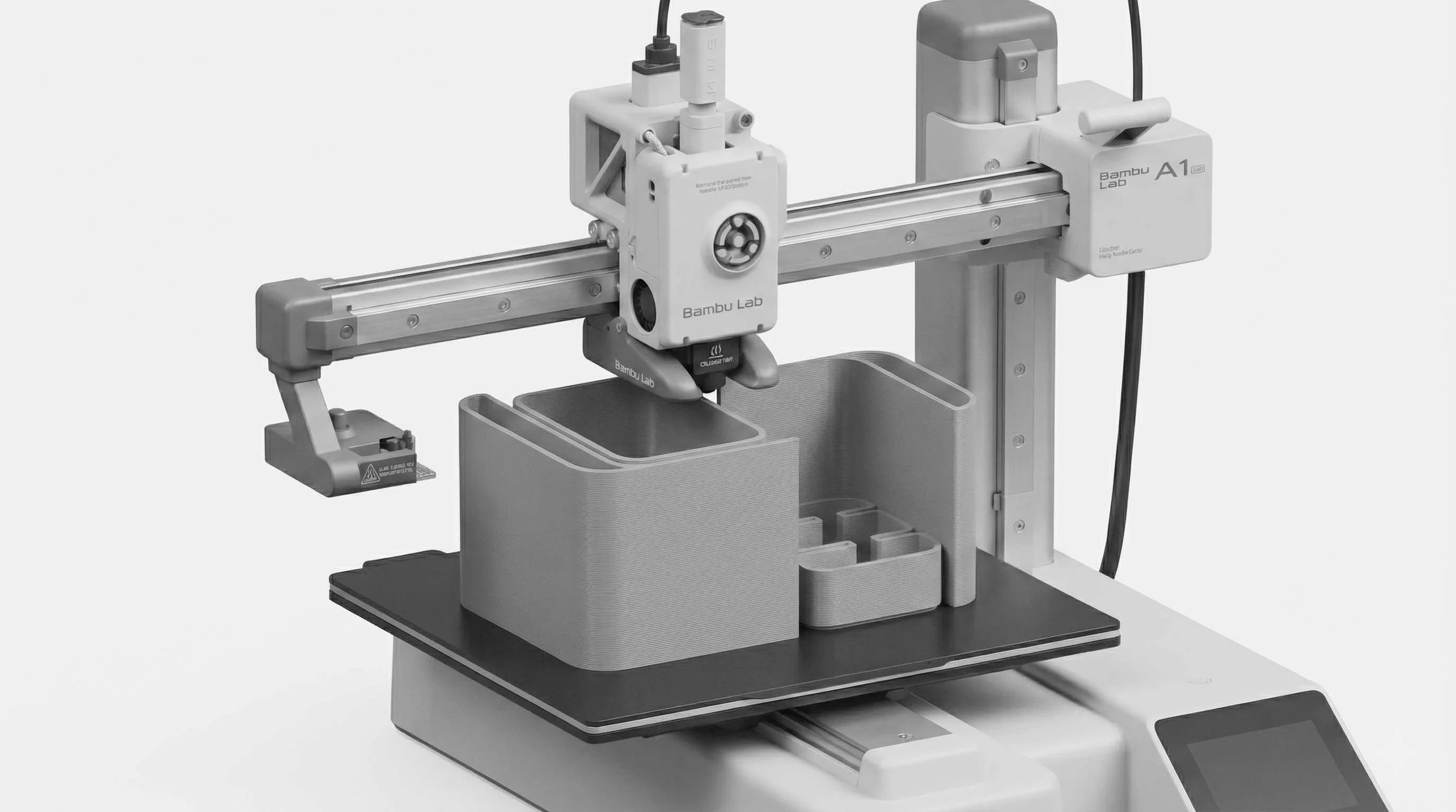
The recovered material is processed, shredded, and extruded into recycled filament (rPLA). This filament is the raw material for the 3D printers.
-
Using "Vase Mode" (a single-walled, continuous printing method), the welcome packs are 3D printed. This method is chosen for its speed and minimal material usage.
-
The point where the "value" is exchanged, either as part of the student's rent or as a separate welcome package, effectively restarting the "Use" phase.
-
The finished 3D-printed packs are delivered to the student accommodation sites.
-
Students receive and use the packs in their rooms. Because they are designed for the circular model, they are durable but easily identifiable for later collection.
-
At the end of the academic year or tenancy, students return the packs. A retrieval system is in place within the building to ensure the plastic doesn't end up in general waste.
-
Items that are damaged or at the end of their aesthetic life are broken down and sent back to the Manufacturing stage to be re-melted and re-printed.
-
Items that are still in excellent condition are cleaned, sanitized, and sent directly to the Sale/Distribution phase to be used by the next intake of students.